Interface level
Select Your Language

Artists of JOUBIN PRODUCTIONS [JP]® INC.
Joubin Mahmoudi (Joobin Mahmoodi)
Drummer · Composer · Producer · Founder
A drummer, percussionist, composer, producer, and creative director whose work connects heavy music, Persian rhythm, studio production, and artist development.
Select a numbered tile to read that part of the biography. (برای خواندن هر بخش از زندگینامه، روی کاشی شمارهدار آن کلیک کنید.)
JOUBIN MAHMOUDI (JOOBIN MAHMOODI) Biography:
JOUBIN MAHMOUDI (JOOBIN MAHMOODI) Biography:
Musician | Composer | Producer
Professional Drummer • Daf Player • Percussionist • Recording Artist
Founder of / , , , , , and
Joubin Mahmoudi, also professionally credited as Joobin Mahmoodi, is a Los Angeles–based professional drummer, Daf player, percussionist, composer, producer, recording artist, and music entrepreneur whose career spans more than three decades.
Beginning his musical journey at approximately 12 years old and pursuing drumming professionally from his early teenage years, Mahmoudi has built an unusually diverse body of work extending across Progressive Rock, Progressive Metal, Heavy, Extreme Metal, Gothic Metal, Symphonic Metal, Hard Rock, Gothic and Alternative Music, Fusion, Persian Traditional Music, Turkish Traditional Music, Traditional Music, Folk, World Music, Pop, Jazz, Progressive Jazz, Blues, Electronic Production, Electronic Dance Music (EDM), and Experimental composition.
His career connects two musical worlds that rarely coexist within a single drummer's catalog: the sophisticated rhythmic language of Persian traditional percussion and the power, precision, orchestration, and physical intensity of the modern Western drum kit.
Over the course of his career, Joubin Mahmoudi (Joobin Mahmoodi) has performed thousands of live appearances and participated in recordings involving musicians and artists from different generations and musical traditions. His recording history includes work associated with , , , , , , HamidReza Bozorgi, Mohammad Zolnouri, Pejman Vaseghi, Farzad Heydari, Ramin Bibak, Amin Habibi, Aria Jahanmirzaei, Hamid Rahnavard, Behnam Alamshahi, Mohsen Aflaki, Mazda Shahani, Bita Sadeghy, Armina Jafari, and numerous traditional Persian instrumentalists.
Today, Joubin Mahmoudi's (Joobin Mahmoodi) musical activities operate primarily through , the independent record label, music-production and entertainment organization through which he develops recordings, original projects, collaborations, publishing, worldwide distribution, and the broader creative identities surrounding his music in Los Angeles, California, United States.
FROM PERSIAN RHYTHM TO THE DRUM KIT
________________________________________
FROM PERSIAN RHYTHM TO THE DRUM KIT
Joubin Mahmoudi's (Joobin Mahmoodi) musical foundation began with rhythm.
At approximately 12 years old, he began developing his percussion abilities, with Persian percussion—particularly the Daf—becoming an important part of his early musical vocabulary. By approximately 13, drumming had developed into a serious professional pursuit.
Persian percussion introduced Joubin Mahmoudi (Joobin Mahmoodi) to rhythmic phrasing, accents, cyclical patterns, dynamics, ensemble interaction, and musical structures outside the conventional vocabulary of Western popular music.
The drum kit offered another world entirely: kick and snare coordination, cymbal orchestration, rudimental technique, limb independence, large-kit movement, progressive arrangements, and the physical power required for rock and metal.
Rather than choosing between those traditions, Joubin Mahmoudi's (Joobin Mahmoodi) incorporated both.
That synthesis eventually became one of the defining characteristics of his career.
SAFEER-E ARSH

________________________________________
SAFEER-E ARSH
One of the most important chapters of Joubin Mahmoudi's (Joobin Mahmoodi) early professional recording career came through (صفیر عرش), a Persian (Iranian) progressive metal/fusion group formed in Tehran in 1995.
Independent music databases document Joubin Mahmoudi (Joobin Mahmoodi)—credited as Joobin Mahmoodi—as the band's official drummer.
The documented principal lineup associated with the band's major recording included:
Pejman Vaseghi — Lead Guitar • Songwriting
Farzad Heydari — Vocals
Joobin Mahmoodi / Joubin Mahmoudi — Drums
Additional musicians appearing on the recording included:
Hamed Taheri — Bass
Reza Khoshnevis — Keyboards
developed a distinctive musical identity by bringing progressive rock and metal together with Persian cultural, philosophical, and literary influences, including material associated with the poetry and spirituality of Mowlana Jalaluddin Rumi.
The band's principal album, / ( — کویر درون), was recorded at Bam-Ahang and Kargadan Studios between 2001 and 2003 and commercially released in 2007.
Its eight compositions include:
— معرفت
— اسرار وصل
— طلب
— طلوع عشق
* — کویر درون
— یاد او در دل
— اشراق
— شیدا و شوریده
* — کویر درون
The complete album runs approximately 55 minutes, culminating in the extended .
The recording demonstrates an important aspect of Joubin Mahmoudi's (Joobin Mahmoodi) drumming: his ability to work inside long-form progressive compositions in which percussion must respond to changing arrangements, dynamics, instrumental interactions, and musical narratives rather than simply maintain a conventional rock groove.
BBC Persian — English Interview
BBC PERSIAN — SAFEER-E ARSH
also received coverage from BBC Persian in April 2007, providing important contemporary documentation of the band during the period surrounding .
The original BBC Persian article is titled:
«صفیر عرش» — BBC Persian, April 2007 Joubin Mahmoudi's (Joobin Mahmoodi)
Link:
SAFEER-E ARSH
“” / «کویر درون»
BBC Persian Interview — Bilingual Archival Edition
Original publication: BBC Persian | Seventh Day | Azadeh Nouri | 15 April 2007
Original Persian title: کویر، اولین آلبوم گروه متال «صفیر عرش»
English Translation
The Desert: Metal Band’s First Album
By Azadeh Nouri | Updated 13:59 GMT, Sunday, 15 April 2007
Image caption in the original: Cover design of ’s new album.
Last week, the metal band released its first album after six years. Although this is an album we arguably should have heard years earlier, even after six years it remains worthwhile listening. The name is a metaphorical reference to the Iranian poet Rumi. “Safeer” refers to a heavenly or spiritual sound, and the members of the band regard Rumi’s poetry as a voice from the heavens. We spoke with Pejman Vaseghi, the composer, guitarist, and central figure of the band.
How many years ago was the album made?
Composition officially began in 1376 [1997/98], but it was recorded in 2001. So that was about six years ago.
Did you work with the same lineup from the beginning, and was the band always called ?
The band went through roughly three different periods. The final phase, when we began working together in 1376 [1997/98], involved the same people who made this album. Some of us had previously been in another band called Mad Maxes. Later there were changes and we chose the name Persian Princes, and eventually we arrived at another lineup that we named .
“” is the name of the album’s only instrumental piece, and you also used it as the album title. Why did you call this piece “”?
This piece was written for the desert inside people. I lived in Kuwait for two years, and it was there that I truly understood and saw the desert. I mean, it is desert to the extreme, and when I looked at it I was reminded of the desert within people and the barren nature of some of them. My feelings are quite understandable from the atmosphere of the piece; it is clear that the work refers to the dry and lifeless desert within human beings. For example, the guitar expresses words of complaint and protest toward people. The desert inside people is drier and harsher than the desert we can see with our eyes.
So it sounds as though you did not like Kuwait very much.
To tell you the truth, no. Most people there dealt with things through tricks and maneuvering, and there seemed to be less evidence of honesty. Perhaps that was connected, in my mind, with the dry desert environment there. In any case, those two years were very difficult for me, and this piece was one of the works that came out of that period.
Is still active, or is only its name left?
It is active, but some of the musicians have left. For example, Reza Khoshnevis went to Europe for his studies. At present, I, Joubin Mahmoudi (Joobin Mahmoodi) on drums, and Farzad Heydari, the band’s vocalist, remain among the core members.
You recorded this album in 2001. In that case, you must have a great deal of material written after “.”
At present we have enough recorded and completed material for two more albums.
Why did you release this album, which has become quite old and reflects your earlier experiences, instead of releasing newer material?
We really liked these works. Our next album is also nearly ready; about seventy percent of it has been completed and it will be released soon. Our plan is to release one album a year from now on. Besides, the material is not as old as you might think. Although many of the pieces were written a long time ago, all of the arrangements are new. Some of the pieces were also written quite recently. Music can be like filmmaking: a film’s screenplay may have been written ten years earlier, while the actual production happens at another stage, and fifty percent of the screenplay may change during filming. Our work has been similar. The skeleton of the album dates to 2001, but it has a new arrangement.
So in your view, does your album still have something new to say today?
Metal music is not like pop, where a new form or style appears every day. It changes less, and in my opinion ’s music is still very beautiful and worth hearing.
Do you have permits for the next albums?
No, we have not pursued them yet, but I do not think we will have a major problem. The environment has become much better.
Will your future work have the same form, or has it changed?
I think it has become lighter.
Why? Was that to attract a wider audience, since metal listeners may prefer to listen to Western metal?
That was one reason, but the main reason is that this time we also have another singer, Farshid Hosseini, who writes poetry as well. To use his poetry, we needed to change our music somewhat. On the new album we have two vocalists singing together. He has very beautiful feelings; for example, he expresses war very effectively in his poetry. Although we had previously used only Rumi’s poetry, we have also used his poems.
Was he also a metal singer?
No. He has a pop album of his own, but on this album he sings in a different style.
I always thought it was the mystical and inward-looking themes in Rumi’s poetry that drew you to him, but now you are talking about social concerns.
Alongside Rumi, there were social issues we had always been looking for an opportunity to address, and Farshid’s presence has now provided that opportunity. But we also have other albums in which we have again worked with Rumi’s poetry.
Why are metal and rock bands so interested in the poetry of Rumi and Hafez?
Rock and metal are music of protest, or music that presents everything more intensely than usual. We see the same approach in painting, where painters make colors stronger and more intense. Among poets, Rumi and Hafez also have this quality: from the very beginning of a poem they are at a peak; there is no real descent. At the same time, sorrow and joy, grandeur and humiliation, loneliness and unity are all present together. But because these poems belong to centuries past, we also wanted contemporary subjects in our lyrics and wanted to make use of them.
The enthusiasm for underground music, which until a few years ago had spread almost like a fever, has faded, and young people no longer seem as enthusiastic as before. Why?
Perhaps they want to reach a larger audience. But there is also a major reason: composing and performing in these bands is not easy, and most of these groups were unable to continue. We see the same thing in other countries. Bands such as Pink Floyd and Metallica have endured, but there were also bands that, after one or two albums, had nothing new left to say. Naturally, this issue is more pronounced in Iran. More important than that is the need for thought and ideas within a band, something that is very limited among Iranian groups.
What about your band? Are there ideas that can make your work enduring and allow it to continue?
There are, but I am still looking for new ideas and new people for the band. Farshid’s presence and the inclusion of social poetry on the next album came about for the same reason.
BBC Persian — Persian Interview / مصاحبه فارسی
نسخه فارسی - ویرایش آرشیوی
کویر، اولین آلبوم گروه متال «صفیر عرش»
آزاده نوری | بهروز شده: ۱۳:۵۹ گرینویچ - یکشنبه ۲۶ فروردین ۱۳۸۶ / ۱۵ آوریل ۲۰۰۷
شرح تصویر در نسخه اصلی: طرح روی جلد آلبوم جدید «صفیر عرش».
هفته گذشته گروه متال «صفیر عرش» اولین آلبومش را بعد از شش سال به بازار فرستاد. اگرچه این آلبوم را باید سالها پیشتر گوش میکردیم، اما هنوز هم بعد از شش سال گوش دادن به آن خالی از لطف نیست. صفیر عرش استعاره و اشارهای است به مولانا، شاعر ایرانی. «صفیر» به آوای آسمانی و معنوی گفته میشود و اعضای این گروه اشعار مولانا را آوایی از آسمان میدانند. با پژمان واثقی، آهنگساز، نوازنده گیتار و هسته مرکزی این گروه، گفت وگویی کردهایم:
آلبوم صفیر عرش چند سال پیش ساخته شد؟
آهنگسازی آن رسماً از سال ۷۶ شروع شد، اما ضبطش سال ۲۰۰۱ بود؛ یعنی حدود شش سال پیش.
از همان اول هم با همین ترکیب کار کردید و اسم گروه همین بود؟
گروه تقریباً سه دوره متفاوت داشته است. مرحله نهایی که از سال ۷۶ با هم کار کردیم، همان کسانی بودند که این آلبوم را ساختند. تعدادی از ما قبلاً در گروه دیگری به نام «Mad Maxes» بودیم. بعد تغییراتی پیدا کرد و نام «Persian Princes» را انتخاب کردیم و در نهایت به ترکیب دیگری رسیدیم که اسمش را صفیر عرش گذاشتیم.
«کویر درون» اسم یکی از قطعات بیکلام آلبوم است که نام آلبوم را هم از آن گرفتهاید. چرا این قطعه را «کویر درون» نام گذاشتید؟
این قطعه برای کویر درون آدمها ساخته شده است. من دو سال در کویت زندگی میکردم و آنجا بود که کویر را به معنای واقعی درک کردم و دیدم. منظورم این است که آنجا نهایت کویر است و وقتی به آن نگاه میکردم، یاد کویر درون آدمها و فطرت بایر بعضی از آنها میافتادم. از حالوهوای این قطعه هم احساسم کاملاً قابل درک است و معلوم است که کار به کویر خشک و بیروح درون انسانها اشاره میکند. مثلاً گیتار حرفهای گلایهآمیز و اعتراضآمیزی را از انسانها بیان میکند. کویر درون آدمها از این کویر که به چشم میبینیم خشکتر و سختتر است.
پس معلوم است که خیلی کویت را دوست نداشتی.
راستش را بخواهی، نه. چون بیشتر آدمهایش با دوز و کلک برخورد میکردند و کمتر نشانی از صداقت وجود داشت و شاید این به همان دلیل مجاورت با طبیعت کویری و خشک آنجا بود. به هر حال آن دو سال خیلی برایم سخت گذشت و این هم حاصل یکی از کارهای آنجاست.
صفیر عرش هنوز هم فعال است یا فقط اسمش از آن باقی مانده؟
فعال است، اما بعضی از نوازندهها رفتهاند. مثلاً رضا خوشنویس برای تحصیلات به اروپا رفته و در حال حاضر من، ژوبین محمودی نوازنده درامز و فرزاد حیدری خواننده گروه از اعضای اصلی گروه باقی ماندهایم.
این آلبوم را سال ۲۰۰۱ ضبط کردید؛ با این حساب باید کارهای زیادی داشته باشید که بعد از «کویر درون» ساخته شده باشد.
ما در حال حاضر به اندازه دو آلبوم دیگر هم کارهای ضبطشده و آماده داریم.
چرا به جای این آلبوم که خیلی قدیمی شده و مربوط به تجربههای قدیمی شماست، کارهای جدیدتر را به بازار نفرستادید؟
ما این کارها را خیلی دوست داشتیم و آلبوم بعدیمان هم تقریباً آماده است؛ حدود هفتاد درصد کارهایش انجام شده و بهزودی بیرون میآید. برنامه ما این است که از این به بعد سالی یک آلبوم بیرون بدهیم. ضمن اینکه کارها آنقدرها هم که شما فکر میکنید قدیمی نیست. با اینکه خیلی وقت است ساخته شدهاند، همه تنظیمها جدید است. البته بعضی از کارها هم همین اواخر ساخته شده. کار موسیقی هم مثل ساختن فیلم است؛ ممکن است فیلمنامه یک فیلم ده سال قبل نوشته شده باشد، اما ساختنش در مرحله دیگری باشد و ضمن آن پنجاه درصد فیلمنامه هم هنگام فیلمبرداری عوض شود. کار ما هم همینطور بوده و کار تازهای است. اسکلت آلبوم برای ۲۰۰۱ است، اما با تنظیمی جدید.
پس به نظر خودت آلبومت برای امروز حرفهای تازهای دارد؟
موسیقی متال مثل پاپ نیست که هر روز یک فرم و سبک تازهای به خودش بگیرد. کمتر تغییر میکند و به نظرم موسیقی صفیر عرش هم بسیار زیبا و شنیدنی است.
برای آلبومهای بعدی مجوز دارید؟
نه، هنوز دنبالش نرفتیم، اما فکر نمیکنم مشکل بزرگی داشته باشیم. فضا خیلی بهتر شده است.
کارهای بعدی شما هم همین فرمها را دارد یا تغییر کردهاند؟
فکر میکنم سبکتر شدهاند.
چرا؟ به خاطر جذب مخاطب بوده؟ چون مخاطبهای متال ترجیح میدهند متال غربی گوش دهند.
یکی از دلایلش این بوده، اما دلیل اصلی این است که این بار یک خواننده دیگر به نام فرشید حسینی هم داریم که شعر هم میگوید و برای استفاده از شعرهای او باید موسیقیمان را کمی تغییر میدادیم. در آلبوم جدید دو خواننده داریم که با هم میخوانند. او احساسات بسیار زیبایی دارد؛ مثلاً جنگ را در شعرش بهخوبی به کلام درآورده. آنقدر که ما که فقط از شعر مولانا استفاده میکردیم، از شعرهای او هم استفاده کردهایم.
او هم از خوانندههای متال بوده؟
نه. او خودش یک آلبوم موسیقی پاپ دارد، ولی در این آلبوم با سبک متفاوتی میخواند.
من همیشه فکر میکردم موضوعات عرفانی و درونی اشعار مولاناست که شما را به سمت خودش کشانده، اما حالا صحبت از دغدغههای اجتماعی میکنید.
غیر از مولانا، مسائل اجتماعی هم بودند که همیشه دنبال فرصتی بودیم تا به آنها بپردازیم و حالا با حضور فرشید این فرصت مهیا شده است. اما آلبومهای دیگری هم داریم که باز هم با اشعار مولانا کار کردهایم.
چرا گروههای متال و راک به اشعار مولانا و حافظ اینقدر علاقه دارند؟
موسیقی راک و متال موسیقی اعتراض است، یا موسیقیای است که همهچیز را پررنگتر از حد معمول نشان میدهد. همین سبک را در نقاشی هم داریم که نقاشها رنگها را پررنگتر و شدیدتر نشان میدهند. در میان شاعران هم مولانا و حافظ از کسانی هستند که این ویژگی را دارند و از همان ابتدای شعر در اوج هستند؛ نقطه فرود ندارند. از طرفی غم و شادی، شکوه و ذلت، تنهایی و وحدت همه با هم هستند. اما به دلیل اینکه این اشعار متعلق به سالها قبل است، خواستیم موضوعات امروزی را هم در شعرهایمان داشته باشیم و از آنها استفاده کنیم.
اشتیاق و جریان موسیقیهای زیرزمینی که تا چند سال پیش مثل یک تب فراگیر همهجا را گرفته بود، کمرنگ شده و دیگر اشتیاق گذشته میان جوانها نیست. چرا؟
شاید میخواهند مخاطب بیشتری داشته باشند. اما یک دلیل عمده هم دارد و آن اینکه آهنگسازی و نوازندگی در این گروهها آسان نیست و اکثر این گروهها هم نتوانستند ادامه بدهند. در کشورهای دیگر هم با این موضوع مواجه هستیم. گروههایی مثل پینک فلوید و متالیکا ماندگارند، اما گروههایی هم بودند که بعد از یکی دو آلبوم دیگر حرف تازهای نداشتند که بزنند. خب، این مسئله در ایران پررنگتر است. از آن مهمتر این است که فکر در گروه باشد؛ چیزی که در گروههای ایرانی بسیار کم است.
در گروه شما چطور؟ فکرهایی که بتواند کارتان را ماندگار یا ادامهدار کند وجود دارد؟
هست، اما من هنوز هم به دنبال فکرهای جدید و آدمهای جدید برای گروه هستم. حضور فرشید و اشعار اجتماعی در آلبوم بعدی هم به همین دلیل بوده است.
Archival Notes & Source Verification
The supplied BBC Persian article is dated 15 April 2007. Independent catalog sources identify ’s album / کویر درون as a 2007 release and list Joubin Mahmoudi (also cataloged as Joobin Mahmoodi) on drums. Current catalog listings show eight tracks, including the instrumental “Kavir-e Daroon / کویر درون.”
Important textual note: This edition preserves the names as they appear in the Persian text supplied for the BBC article. Some external catalogs use different Romanizations and, in at least one case, a different surname spelling for the vocalist. Those differences are not silently substituted into the historical interview.
Sources:
• BBC Persian, “کویر، اولین آلبوم گروه متال صفیرعرش,” 15 April 2007 — original URL supplied by the user.
• BeepTunes album catalog — صفیر عرش - کویر درون (credits Joubin Mahmoudi among the performers).
• Last.fm — / - Rumi’s Poem (release date and band information).
• Encyclopaedia Metallum — کویر درون () (release date, track list, and lineup).
• WOMEX / Barbad Music Inc. — - (2007 release listing).
The BBC Persian material represents an important historical component of the chapter because it documents the group from the period in which the album emerged rather than retrospectively.
In the final archival version of this biography, the relevant BBC passages concerning Joubin Mahmoudi and should be preserved in their original Persian wording, immediately followed by a faithful English translation.
NOOR_E MAHTAB — AN ARCHIVAL RECORDING REBORN

________________________________________
NOOR_E MAHTAB — AN ARCHIVAL RECORDING REBORN
Another major chapter of Joubin Mahmoudi's (Joobin Mahmoodi) musical history emerged from an entirely different musical environment.
represents his connection with Persian traditional music and Daf performance.
Although the album received its worldwide commercial release in 2020, the underlying project and recordings originate much earlier in Joubin Mahmoudi's (Joobin Mahmoodi) career. Available archival material identifies surviving recording sessions from the late 1990s, decades before their international digital release.
The material was eventually revisited, restored, remixed/remastered and prepared for worldwide release through .
The commercially released album is credited to:
HamidReza Bozorgi
Mohammad Zolnouri
Joubin Mahmoudi (Joobin Mahmoodi)
The eight-track album contains:
The complete recording runs approximately 47 minutes.
Joubin Mahmoudi's (Joobin Mahmoodi) is credited across the project in performance and production capacities involving Daf/Percussion, Drums, Remixing, Production, and Mixing, depending upon the individual track metadata.
Additional documented musicians associated with the album include:
HamidReza Bozorgi — Lead Vocals • Composition/Songwriting
Mohammad Zolnouri — Arrangement • Tanbur
Jahangir Javarsineh — Tanbur
Hamid Etemadniya — Tanbur • Composition
Farrokh Haghighi — Tanbur
Mehrali Hemati — Tanbur
Davood Molaei — Tanbur
Hamed Karimkhani — Tanbur
Soodabeh Jamshidi — Tanbur
Joubin Mahmoudi (Joobin Mahmoodi) — Daf
Abdolreza Esmaaili — Kamancheh
AliReza Mobargha — Tabla
The album is particularly significant because it preserves an earlier period of Joubin Mahmoudi's (Joobin Mahmoodi) musicianship and provides a direct connection between his traditional Persian percussion background and the progressive and heavy-music career that followed.
Its later restoration and international release also connected two different periods of his professional life: the performing percussionist captured in the original sessions and the producer/record-label executive capable of bringing archival music into modern worldwide distribution.
EXPANDING RECORDING CAREER
________________________________________
EXPANDING RECORDING CAREER
Joubin Mahmoudi's (Joobin Mahmoodi) recording history extends well beyond and .
His documented recording and session history includes work associated with:
Mohsen Aflaki — , 2002
Aria Jahanmirzaei — , 2003
Aria Jahanmirzaei — (Okazion), 2006
— (), 2007
— Arsalan Afshar & Reza Neghabat — , 2008
Ramin Bibak — (), 2007
Amin Habibi — (), 2007
Hamid Rahnavard — (), 2007
— Reza Neghabat & Arsalan Afshar — (), 2009
Amin Habibi — (), 2009
Behnam Alamshahi — (), 2009
Amin Habibi — (), 2011
Ramin Bibak — , 2009
Together, these recordings reveal a professional history extending through traditional music, progressive music, rock, pop-oriented sessions, and eventually Joubin Mahmoudi's (Joobin Mahmoodi) contemporary heavy and experimental projects.
PROFESSIONAL DEVELOPMENT & DRUMMING DISCIPLINE
________________________________________
PROFESSIONAL DEVELOPMENT & DRUMMING DISCIPLINE
In 2013, Joubin Mahmoudi's (Joobin Mahmoodi) professional record documents advanced drumming instruction and evaluation associated with William E. Elliott, identified in Joubin Mahmoudi's (Joobin Mahmoodi) professional records as a U.S. Army Band instructor.
On December 19, 2013, Joubin Mahmoudi (Joobin Mahmoodi) received professional drummer certification connected with that training twice plus a Gold Star Award Drumming from U.S. Army.
The experience reinforced principles already central to his playing: timing, rudimental precision, consistency, articulation, dynamics, physical control, preparation, arrangement awareness, and disciplined performance execution.
DrumLite® FEATURED ARTIST
________________________________________
DrumLite® FEATURED ARTIST
In February 2018, Mahmoudi reached another professional milestone when he became a Featured Artist of DrumLite® USA.
The relationship complemented the increasingly visual dimension of his performances, in which large drum configurations, dramatic lighting, extensive cymbal arrangements, and stage presentation could become part of the performance alongside the music itself.
JOUBIN PRODUCTIONS [JP]® INC.
________________________________________
As Joubin Mahmoudi's (Joobin Mahmoodi) career evolved, his responsibilities expanded from performing musician into composition, production, creative direction, independent releases, publishing, distribution, and artist development.
These activities became organized through
serves as the record label and organizational framework connecting Joubin Mahmoudi's (Joobin Mahmoodi) contemporary recordings, production activities, creative projects, collaborations, catalog development, and worldwide digital releases.
Through , Joubin Mahmoudi (Joobin Mahmoodi) increasingly became involved with the complete lifecycle of recorded music—from its earliest compositional concept through performance, recording, production, creative presentation, publishing, release, and worldwide digital distribution.
The contemporary releases described below therefore identify directly within their record-label information.
Explore All Seasons · Register or Reserve a Seat American Grand Prix Music Program
________________________________________
The is an international music initiative presented by , an American entertainment and music production company founded and led by professional drummer, composer, and producer Joubin Mahmoudi (Joobin Mahmoodi).
Developed as part of ’s broader commitment to the global music community, the provides a professional platform designed to discover, recognize, support, and showcase talented musicians and independent artists from around the world.
The program officially launched in Summer 2026 and is planned as a multi-year international music program continuing through 2030. Throughout this period, participating musicians will have opportunities to demonstrate their artistry, develop their professional visibility, and compete across the program’s scheduled seasons and stages.
Through its international reach and multi-stage format, the program is designed to recognize musicianship, creativity, artistic identity, technical ability, performance, and musical expression across a diverse range of instruments, genres, cultures, and musical backgrounds.
The program also reflects the broader mission of to support independent musical talent through artist development, professional exposure, music production, and music distribution, while creating opportunities that extend beyond geographical boundaries.
The Road to 2030
The years 2026 through 2030 represent a connected journey within the . Artists who participate in the program and achieve winning recognition during this period will become part of its growing international history.
In 2030, plans to introduce a special surprise opportunity and recognition for qualifying winning artists who have participated in the .
The details of this special 2030 initiative will remain confidential until officially announced by , creating an additional milestone for participating artists to anticipate as the program progresses toward 2030.
Headquartered in Los Angeles, California, the welcomes musicians internationally and represents the continuing commitment of to building a worldwide platform where musical talent can be discovered, recognized, supported, and heard.
Presented by
Established Summer 2026 | Continuing Through 2030
Los Angeles, California, USA — Worldwide
2026 → 2030: The journey has begun. The final surprise remains to be revealed.
Explore All Seasons · Register or Reserve a Seat JoubinDrums® · Part 1

________________________________________
Joubin Mahmoudi’s (Joobin Mahmoodi) relationship with percussion eventually extended beyond performing drums.
Through , he developed a custom-drum identity associated with
Among its concepts is the “Megatone Series,” including custom snare-drum designs.
The project reflects the progression of a musician who has spent decades evaluating drums not only as instruments but as combinations of materials, dimensions, tuning, projection, response, visual identity, and sound.
AtarWratH®, DevaWratH® & Hallucinations BLUE®

________________________________________
, &
The contemporary era of Joubin Mahmoudi’s (Joobin Mahmoodi) career is represented prominently through three interconnected creative projects:
Rather than functioning only as isolated artist names, these projects create an interconnected musical environment through which Mahmoudi explores heavy music, progressive composition, extreme and alternative influences, atmospheric production, experimental sound, and darker cinematic concepts.
Their identities increasingly intersect through shared recordings, with Joubin Mahmoudi’s (Joobin Mahmoodi) appearing as a central creative and performing artist.
Together, the principal releases associated with this period—, , , , , and —form a connected body of contemporary work.
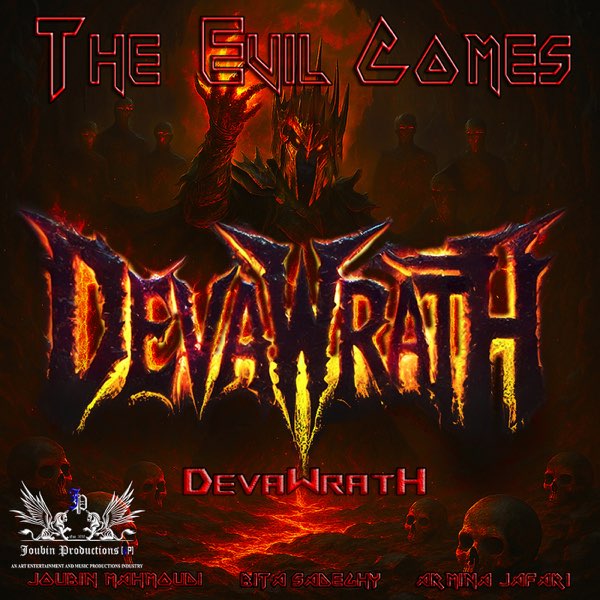
THE EVIL COMES
________________________________________
THE EVIL COMES
2025
Artists: • Joubin Mahmoudi (Joobin Mahmoodi) • Bita Sadeghy • Armina Jafari
Joubin Mahmoudi (Joobin Mahmoodi): Composer • Lyrics • Drums
Record Label: © ℗ 2025
Worldwide Distribution: Major international digital music and streaming platforms
represents one of the central releases in the period of Joubin Mahmoudi’s (Joobin Mahmoodi) contemporary catalog and establishes the collaborative combination of Joubin Mahmoudi (Joobin Mahmoodi)i, Bita Sadeghy, and Armina Jafari within the project's heavier musical environment.
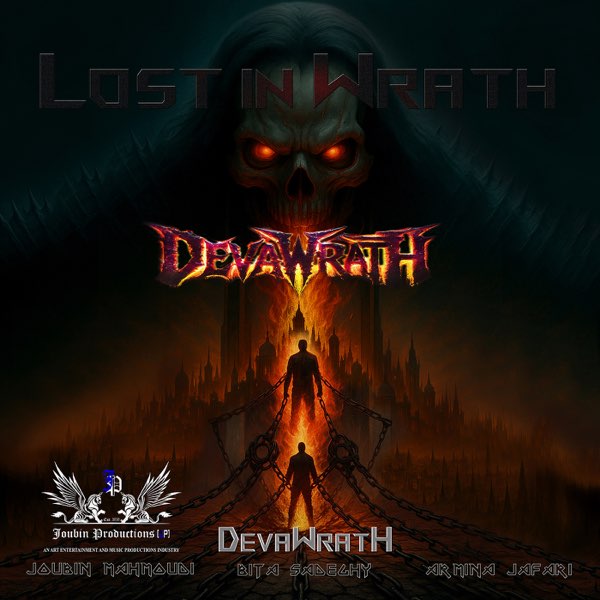
LOST IN WRATH
________________________________________
LOST IN WRATH
2025
Artists: • Joubin Mahmoudi (Joobin Mahmoodi) • Bita Sadeghy • Armina Jafari
Joubin Mahmoudi (Joobin Mahmoodi): Composer • Lyrics • Drums
Record Label: © ℗ 2025
Worldwide Distribution: Major international digital music and streaming platforms
continued the collaboration and further developed the darker, aggressive, and contemporary direction surrounding Joubin Mahmoudi’s (Joobin Mahmoodi) writing and drumming.
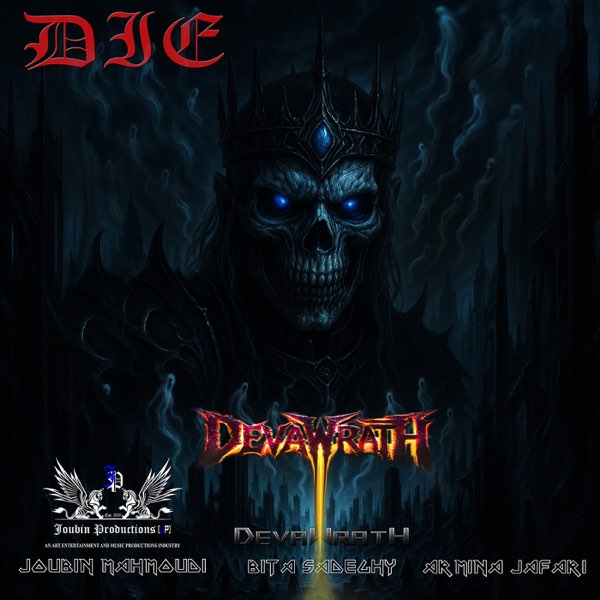
DIE
________________________________________
DIE
2025
Artists: • Joubin Mahmoudi (Joobin Mahmoodi) • Bita Sadeghy • Armina Jafari
Joubin Mahmoudi (Joobin Mahmoodi): Composer • Lyrics • Drums
Record Label: © ℗ 2025
Worldwide Distribution: Major international digital music and streaming platforms
became another component of the 2025 recording cycle, continuing Mahmoudi's work as composer and drummer within the interconnected JP catalog.
THE MASK I WEAR

________________________________________
THE MASK I WEAR
July 20, 2025
Artists: • Joubin Mahmoudi (Joobin Mahmoodi) • Bita Sadeghy • • Armina Jafari
Joubin Mahmoudi (Joobin Mahmoodi): Composer • Lyrics • Drums
Story: Bita Sadeghy
Duration: Approximately 4:33
Record Label: © ℗ 2025
Worldwide Distribution: Major international digital music and streaming platforms
expanded the contemporary catalog through while maintaining connections with and the musicians participating in Joubin Mahmoudi’s (Joobin Mahmoodi) 2025 recording cycle.
The recording represents another dimension of his modern writing, moving through atmospheric, alternative, heavy, and experimental territory.
1000s MILES AWAY

________________________________________
1000s MILES AWAY
2025
Artists: • • • Joubin Mahmoudi (Joobin Mahmoodi) • Bita Sadeghy • Armina Jafari • Sasan SeyedKalal • Rebecca Z.AIA (Rebecca Zamani) • AriyamaN® (Vargha Zamani) • Babak Katouzi
Joubin Mahmoudi (Joobin Mahmoodi): Composer • Lyrics • Drums
Record Label: © ℗ 2025
Worldwide Distribution: Major international digital music and streaming platforms
represents an especially important convergence within Joubin Mahmoudi’s (Joobin Mahmoodi) contemporary catalog because it formally connects , , , and Joubin Mahmoudi (Joobin Mahmoodi) on the same recording.
The release demonstrates that these identities are not intended simply as unrelated bands or projects. Instead, they can function as different dimensions of a larger creative environment developed around Joubin Mahmoudi’s (Joobin Mahmoodi) composition, percussion, production, and artistic direction.
LOCRIAN THE INFERNO
________________________________________
May 26, 2026
Artists: • Joubin Mahmoudi (Joobin Mahmoodi) • • • Bita Sadeghy • Armina Jafari • Sasan SeyedKalal • Rebecca Zamani (Rebecca Z.AIA) • AriyamaN® (Vargha Zamani)
Joubin Mahmoudi (Joobin Mahmoodi): Composer • Lyrics • Drums
Poet: Rumi
Record Label: © ℗ 2026
Worldwide Distribution: Major international digital music and streaming platforms
continued the interconnected concept and again brought together the three principal modern projects surrounding Joubin Mahmoudi’s (Joobin Mahmoodi) work.
The recording represents another stage in his movement toward darker, progressive, heavy, atmospheric, and cinematic production while simultaneously presenting Joubin Mahmoudi (Joobin Mahmoodi) as drummer, composer, recording artist, and independent producer.
SELECTED COLLABORATORS
________________________________________
SELECTED COLLABORATORS
Across different periods of his career, documented recording credits connect Joubin Mahmoudi (Joobin Mahmoodi) with musicians and artists working across multiple styles and generations.
Among them are:
HamidReza Bozorgi — Vocals • Composition/Songwriting • •
Pejman Vaseghi — Guitar • Songwriting •
Farzad Heydari — Vocals •
Armin Mostaed — Bass •
Reza Khoshnevis — Keyboards •
Hamed Taheri — Bass •
Mohammad Zolnouri — Arrangement • Tanbur •
Jahangir Javarsineh — Tanbur
Hamid Etemadniya — Tanbur • Composition
Farrokh Haghighi — Tanbur
Mehrali Hemati — Tanbur
Davood Molaei — Tanbur
Hamed Karimkhani — Tanbur
Soodabeh Jamshidi — Tanbur
Abdolreza Esmaaili — Kamancheh
AliReza Mobargha — Tabla
Arsalan Afshar — (Recording Collaborations/Concerts)
Reza Neghabat — (Recording Collaborations/Concerts)
Ramin Bibak — (Recording Collaborations/Concerts)
Amin Habibi — (Recording Collaborations/Concerts)
Aria Jahanmirzaei — (Recording Collaborations/Concerts)
Hamid Rahnavard — (Recording Collaborations/Concerts)
Behnam Alamshahi — (Recording Collaborations/Concerts)
Mohsen Aflaki — (Recording Collaborations/Concerts)
Mazda Shahani — (Recording Collaborations/Concerts)
Bita Sadeghy — / / — (Recording Collaborations)
Armina Jafari — / / — (Recording Collaborations)
These collaborations illustrate the considerable stylistic distance Joubin Mahmoudi (Joobin Mahmoodi) has traveled throughout his career—from Persian traditional ensembles and commercial recording sessions to progressive rock, metal, and contemporary experimental production.
EXPANDED SELECTED DISCOGRAPHY
________________________________________
EXPANDED SELECTED DISCOGRAPHY
EARLY & SESSION RECORDING HISTORY
Late 1990s — — Original Recording Era
• HamidReza Bozorgi • Mohammad Zolnouri • Joubin Mahmoudi (Joobin Mahmoodi)
Daf • Percussion • Later Production/Restoration
2002 —
Mohsen Aflaki
Drums — Joubin Mahmoudi (Joobin Mahmoodi)
2003 —
Aria Jahanmirzaei
Drums — Joubin Mahmoudi (Joobin Mahmoodi)
2007 —
Ramin Bibak
Drums — Joubin Mahmoudi (Joobin Mahmoodi)
2007 —
Amin Habibi
Drums — Joubin Mahmoudi (Joobin Mahmoodi)
2007 —
Hamid Rahnavard
Drums — Joubin Mahmoudi (Joobin Mahmoodi)
2007 — / ()
Pejman Vaseghi • Joubin Mahmoudi (Joobin Mahmoodi) • Farzad Heydari
Drums — Joubin Mahmoudi (Joobin Mahmoodi)/ Joobin Mahmoodi (Joubin Mahmoudi)
2007 —
Aria Jahanmirzaei
Drums — Joubin Mahmoudi (Joobin Mahmoodi)
2008 —
• Arsalan Afshar • Reza Neghabat
Drums — Joubin Mahmoudi (Joobin Mahmoodi)
2009 —
• Reza Neghabat • Arsalan Afshar
Drums — Joubin Mahmoudi (Joobin Mahmoodi)
2009 —
Amin Habibi
Drums — Joubin Mahmoudi (Joobin Mahmoodi)
2009 —
Behnam Alamshahi
Drums — Joubin Mahmoudi (Joobin Mahmoodi)
2011 —
Amin Habibi
Drums — Joubin Mahmoudi (Joobin Mahmoodi)
2013 —
Ramin Bibak
Drums — Joubin Mahmoudi (Joobin Mahmoodi)
INTERNATIONAL DIGITAL RELEASE ERA
2020 —
Mazda Shahani feat. Joubin Mahmoudi (Joobin Mahmoodi)
2020 —
• HamidReza Bozorgi • Mohammad Zolnouri • Joubin Mahmoudi (Joobin Mahmoodi)
International release of archival Persian traditional recordings.
2020 —
Vargha Zamani (AriyamaN®)
Drums — Joubin Mahmoudi (Joobin Mahmoodi)
2021 —
Vargha Zamani (AriyamaN®)
Drums — Joubin Mahmoudi (Joobin Mahmoodi)
2023 —
Drums — Joubin Mahmoudi (Joobin Mahmoodi)
— CONTEMPORARY ERA
2025 —
• Joubin Mahmoudi (Joobin Mahmoodi) • Bita Sadeghy • Armina Jafari
Composer • Lyrics • Drums — Joubin Mahmoudi (Joobin Mahmoodi)
Record Label: © ℗ 2025
2025 —
• Joubin Mahmoudi (Joobin Mahmoodi) • Bita Sadeghy • Armina Jafari
Composer • Lyrics • Drums — Joubin Mahmoudi (Joobin Mahmoodi)
Record Label: © ℗ 2025
2025 —
• Joubin Mahmoudi (Joobin Mahmoodi) • Bita Sadeghy • Armina Jafari
Composer • Lyrics • Drums — Joubin Mahmoudi (Joobin Mahmoodi)
Record Label: © ℗ 2025
2025 —
• Joubin Mahmoudi (Joobin Mahmoodi) • Bita Sadeghy • • Armina Jafari
Composer • Lyrics • Drums — Joubin Mahmoudi
Story: Bita Sadeghy
Record Label: © ℗ 2025
2025 —
• • • Joubin Mahmoudi (Joobin Mahmoodi) • Rebecca Zamani (Rebecca Z.AIA) • Bita Sadeghy • Armina Jafari • Sasan SeyedKalal • Vargha Zamani (AriyamaN®) • Babak Katouzi
Composer • Lyrics • Drums — Joubin Mahmoudi (Joobin Mahmoodi)
Record Label: © ℗ 2025
2026 —
• Joubin Mahmoudi (Joobin Mahmoodi) • • • Rebecca Zamani (Rebecca Z.AIA) • Bita Sadeghy • Armina Jafari • Sasan SeyedKalal • Vargha Zamani (AriyamaN®) • Babak Katouzi
Composer • Lyrics • Drums — Joubin Mahmoudi (Joobin Mahmoodi)
Poet: Rumi
Record Label: © ℗ 2026
ONE CAREER — MANY MUSICAL WORLDS
________________________________________
ONE CAREER — MANY MUSICAL WORLDS
The breadth of Joubin Mahmoudi's (Joobin Mahmoodi) discography makes his career difficult to define with a single genre.
The drummer heard within the progressive structures of is the same musician whose Daf and percussion work appears within the traditional Persian world represented by .
The session drummer connected with recordings by Ramin Bibak, Amin Habibi, Aria Jahanmirzaei, Hamid Rahnavard, Behnam Alamshahi, Mohsen Aflaki, , and others later became the composer, producer, drummer, and creative force associated with , , and .
Traditional percussion developed into progressive drumming.
Progressive drumming expanded into studio work.
Studio work developed into composition and production.
Production evolved into independent publishing, record-label operations, and worldwide distribution.
And decades of performing drums eventually expanded into , extending Joubin Mahmoudi's (Joobin Mahmoodi) relationship with percussion into custom instrument concepts and design.
Technology, Education, and Other Projects
________________________________________
Technology, Education, and Other Projects
Alongside music, Joubin Mahmoudi (Joobin Mahmoodi) has worked in information technology and studies Cybersecurity Technology at the University of Maryland Global Campus. His supplied academic background records a 4.00 GPA and Dean’s List recognition. His technical studies and training include networking, cloud computing, and cybersecurity topics.
Joubin Mahmoudi (Joobin Mahmoodi) professional background also includes Cybersecurity Advanced Technology & Network Information Technology (IT Support) and work at the Federal Aviation Administration (FAA), Air Traffic Organization (ATO) in Aeronautical Information Systems (AIS). The supplied profile connects his musical and technical interests through an attention to timing, patterns, structure, and complex systems. Those ideas help describe his approach, while music and technology remain distinct parts of his professional life.
The supplied profile also identifies among his broader business interests. Along with and , it reflects the range of projects he has developed across music, technology, and independent enterprise.
JOUBIN MAHMOUDI (TODAY)
________________________________________
JOUBIN MAHMOUDI (TODAY)
Based in Los Angeles, California, Joubin Mahmoudi (Joobin Mahmoodi) continues to record, compose, produce, collaborate, and develop new musical projects through
His contemporary catalog is distributed internationally through major digital music platforms, while the alternate professional credit Joobin Mahmoodi (Joubin Mahmoudi) preserves an additional part of his earlier recording history.
More than three decades after he first began playing, the connecting element remains rhythm.
From Persian Daf to modern drum kits, Persian traditional ensembles to progressive metal, session recordings to independent production, and archival recordings to worldwide digital releases, Joubin Mahmoudi’s (Joobin Mahmoodi) career documents an artist continually expanding what his role behind the drums can become.
Joubin Mahmoudi (Joobin Mahmoodi) is not defined by one band, one instrument, one genre, or one period of his career. His body of work represents the intersection of rhythm, discipline, cultural heritage, progressive and heavy music, experimentation, production, collaboration, and continuous artistic evolution.
Metallurgy in Custom Acoustic Drums
Material Science, Acoustic Engineering & Custom Drum Design
Presented by Joubin Mahmoudi (Joobin Mahmoodi)
The Science of Metal Behind the Sound
________________________________________
The Science of Metal Behind the Sound
In custom acoustic drum manufacturing, metallurgy is the study, selection, formulation, forming, treatment, and finishing of metals used to create drum shells and hardware with specific mechanical and acoustic characteristics.
Within the custom drum development approach of Joubin Mahmoudi (Joobin Mahmoodi), , and , metallurgy is considered an integral part of the relationship between material science, instrument construction, and acoustic performance.
A metal drum shell is more than a structural enclosure. Its alloy composition, density, hardness, elasticity, thickness, geometry, manufacturing process, and surface treatment all contribute to how the shell responds when energy from the drumhead is transferred into it.
For custom drum development, metallurgy therefore becomes part of the instrument's acoustic engineering. Different metals, alloys, shell configurations, and manufacturing methods can be selected to influence characteristics such as attack, projection, resonance, sustain, sensitivity, overtone behavior, dynamic response, and structural durability.
1. Alloy Composition — Building the Tonal Foundation
________________________________________
1. Alloy Composition — Building the Tonal Foundation
An alloy is a metallic material created from two or more elements. Changing the proportions and types of metals in an alloy changes its mechanical properties, which can influence the behavior of a finished drum shell.
Brass — Copper & Zinc
Brass is widely used in metal snare drums because it can provide a strong combination of sensitivity, projection, resonance, and tonal body.
Its copper content contributes density and warmth, while zinc changes the hardness and mechanical behavior of the material. Depending on the alloy formulation, shell thickness, and construction method, brass drums can range from warm and controlled to bright and highly projecting.
Bronze — Primarily Copper & Tin
Bronze is a dense material capable of producing substantial projection, resonance, and harmonic complexity.
Heavy bronze shells—particularly cast designs—can produce powerful fundamental tones, strong articulation, and considerable sustain. Because bronze formulations vary considerably, the exact alloy and manufacturing process are important parts of the final acoustic design.
Aluminum
Aluminum combines relatively low mass with useful rigidity and corrosion resistance.
In drum construction, aluminum shells are often associated with a fast response, focused attack, controlled sustain, and comparatively dry character. Shell thickness, alloy grade, and forming method can significantly alter these characteristics.
Stainless Steel
Stainless steel is an iron-based alloy containing chromium and, depending on the grade, additional alloying elements.
Its strength and rigidity make it suitable for shells intended to provide pronounced attack, projection, durability, and upper-frequency presence.
Copper
Copper is comparatively dense and relatively soft compared with many common structural metals.
Copper drum shells can provide substantial body, sensitivity, and a complex overtone structure. Depending on shell construction and thickness, copper can combine characteristics commonly associated with both wood and brighter metal shells.
2. Shell Construction — Shaping Metal Into an Instrument
________________________________________
2. Shell Construction — Shaping Metal Into an Instrument
The type of metal is only one part of drum-shell engineering. How that metal is transformed into a shell is equally important.
Forming, casting, rolling, welding, machining, and other manufacturing processes influence shell thickness, rigidity, internal stresses, mass, consistency, and structural behavior.
Cast Metal Shells
A cast shell begins with molten metal that is formed into the basic shell structure before undergoing machining and finishing operations.
Cast shells can be manufactured with substantial wall thickness and mass, creating an extremely rigid structure. Depending on the alloy and dimensions, this can produce powerful projection, strong fundamental response, distinctive resonance, and extended sustain.
Spun and Seamless-Formed Shells
Metal can also be mechanically formed into a shell through spinning, drawing, or related processes.
These techniques can produce shells without a conventional welded longitudinal seam. The resulting structure can provide a responsive and resonant platform while maintaining relatively controlled shell thickness.
Rolled and Welded Shells
Another method begins with sheet metal that is rolled into cylindrical form and joined at the seam.
When properly engineered and manufactured, a welded shell can provide excellent structural consistency and acoustic performance. Material thickness, weld quality, heat input, shell roundness, and finishing procedures all contribute to the performance of the completed drum.
3. Shell Thickness, Density & Rigidity
________________________________________
3. Shell Thickness, Density & Rigidity
The acoustic behavior of a metal drum cannot be predicted from the alloy name alone.
A thin brass shell and a substantially thicker brass shell may respond very differently even though both are manufactured from brass.
Important physical characteristics include density, thickness, hardness, elasticity, shell geometry, diameter, and depth.
Custom drum engineering involves balancing these properties rather than selecting a metal solely because of its traditional tonal reputation.
4. Thermal Processing & Metal Treatment
________________________________________
4. Thermal Processing & Metal Treatment
Controlled thermal processes can modify the physical characteristics of certain metals and alloys.
Depending on the material, processes such as annealing, stress relieving, hardening, tempering, and controlled cooling may alter hardness, ductility, residual stress, strength, or machinability.
Within custom drum development, these processes can become part of a larger engineering strategy rather than an isolated manufacturing step.
5. Surface Finishing, Patina & Plating
________________________________________
5. Surface Finishing, Patina & Plating
Metal drum shells may receive decorative or protective finishes including:
Polishing • Brushing • Plating • Oxidation • Patination • Powder Coating • Protective Clear Finishes
Nickel, chrome, and other metallic plating can provide corrosion resistance and distinctive visual characteristics, while controlled oxidation and patination can create individualized surfaces.
Although finishes can influence the physical surface of a shell, their acoustic contribution is generally secondary to larger factors such as alloy composition, thickness, mass, geometry, forming process, bearing edges, hoops, hardware, and drumheads.
6. Metallurgy of Drum Hardware
________________________________________
6. Metallurgy of Drum Hardware
Metallurgy extends beyond the shell.
The materials used for hoops, lugs, tension rods, throw-offs, butt plates, mounting components, and other hardware contribute to total mass, rigidity, tuning stability, durability, and mechanical behavior.
-Cast Hoops
-cast hoops are comparatively rigid and can provide highly defined rimshots and controlled head movement.
Triple-Flanged Steel Hoops
Triple-flanged hoops generally provide greater flexibility than heavy die-cast designs, allowing the drumhead and hoop assembly to behave differently under tension and often contributing to a more open response.
Machined Billet Components
Custom lugs and other components can be CNC-machined from solid metal billet. Materials including brass, aluminum, stainless steel, and specialized alloys can be selected according to strength, weight, corrosion resistance, visual design, and engineering requirements.
7. Metallurgy as Acoustic Engineering
________________________________________
7. Metallurgy as Acoustic Engineering
Within the design philosophy associated with Joubin Mahmoudi (Joobin Mahmoodi), , and , the metal itself represents only one component of a much larger acoustic system.
The final response of a custom drum emerges from the interaction of:
Metal Composition + Alloy Formulation + Shell Thickness + Diameter + Depth + Forming Method + Mass + Bearing Edges + Snare Beds + Hoops + Lugs + Mounting System + Drumheads + Tuning
Changing one element can influence the behavior of the entire instrument.
For this reason, metallurgy in custom drum development can be approached as acoustic and materials engineering rather than simply metal fabrication.
The objective is not merely to manufacture a metal cylinder. The objective is to control how mechanical energy is transferred through the instrument to achieve a targeted combination of attack, tone, resonance, projection, sustain, sensitivity, articulation, and dynamic range.
8. Custom-Built Exclusively by Order
________________________________________
8. Custom-Built Exclusively by Order
Custom drums developed through and are produced exclusively by order.
These instruments are not intended as conventional mass-produced drums or general production-line inventory. Each custom drum order may be developed according to the specifications, configuration, material selection, acoustic objectives, dimensions, finish, hardware, and design requirements established for that particular instrument.
This made-to-order approach allows and to treat each custom instrument as an individual project rather than simply another unit from a standardized production run.
Depending on the specific order and design, considerations may include:
Shell Material • Alloy Selection • Shell Dimensions • Thickness • Construction Method • Bearing Edges • Hardware • Hoops • Finish • Acoustic Character • Tuning Range • Visual Design • Custom Specifications
The purpose of this approach is to maintain control over both the technical identity and individual character of each custom-built instrument.
Made-to-Order Policy
custom drums by are manufactured exclusively upon order. Production of a custom instrument begins only in accordance with an approved custom order and its applicable specifications, requirements, and production arrangements.
From Metal to a Distinctive Musical Voice
________________________________________
From Metal to a Distinctive Musical Voice
Every alloy possesses a particular combination of density, stiffness, hardness, elasticity, and structural characteristics. Manufacturing transforms those raw properties into the physical architecture of a musical instrument.
Through careful selection and integration of materials, shell dimensions, forming processes, machining, hardware, and finishing, metallurgy becomes one of the fundamental tools available for developing a distinctive acoustic identity.
For , under , this relationship between material, construction, engineering, and sound forms part of a broader approach to specialized custom drum development associated with Joubin Mahmoudi (Joobin Mahmoodi).
In custom drum making, metal is not simply the material from which an instrument is built—it becomes part of the engineering of its voice.
JoubinDrums® · Part 2
________________________________________
Handmade • Specialized • Custom-Built • Made-to-Order Drums
By
Associated with Joubin Mahmoudi (Joobin Mahmoodi)
Material Science • Metallurgy • Acoustic Development • Custom Drum Engineering
CUSTOM DRUMS AVAILABLE EXCLUSIVELY BY ORDER.
AtarWratH®
Founded by Joubin Mahmoudi in 2018, explores progressive, heavy, gothic, and experimental metal. Its interconnected recordings include and .
DevaWratH®
Founded by Joubin Mahmoudi in 2025, is one of his interconnected heavy music projects. , , and feature his composition, lyrics, and drums and were released through
Hallucinations BLUE®
Founded by Joubin Mahmoudi in 2025, expands his creative work into atmospheric and alternative music. and are among its releases with Mahmoudi on composition, lyrics, and drums.
JoubinDrums® · Part 3
Founded by Joubin Mahmoudi, develops handmade, specialized, made-to-order custom drums, including the Megatone Series. Mahmoudi guides the instrument concepts around metallurgy, shell geometry, hardware, tuning, and acoustic response. A founding year is not specified in this biography.
iMAX Cyber Tech®

reflects Joubin Mahmoudi's technology work alongside his music career. The company's site describes cybersecurity, data centers, custom computers, AI camera systems, networks and cloud, and AI integration. A founding year is not specified here.


Two spellings · separated catalogs
Official Music Profiles
Matched public destinations